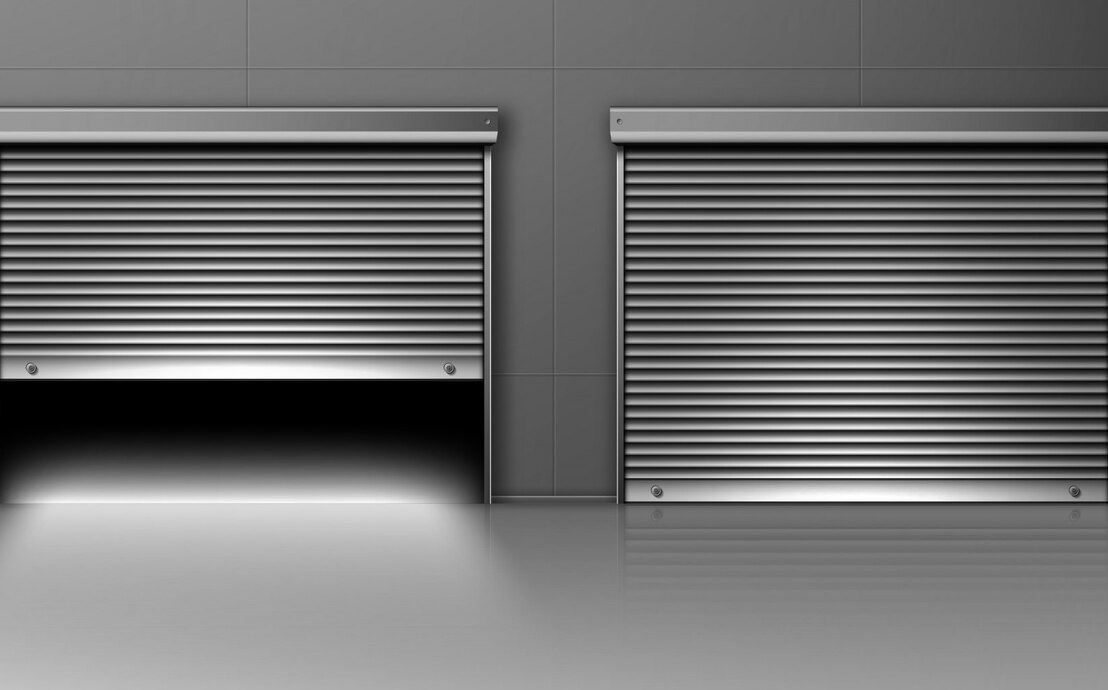
In the daily updating landscape of commercial and industrial security, rolling shutters have remained an important feature, providing businesses with upgrading security, durability, and ease of use. Among the different types of shutters available, perforated rolling shutters have gained the major traction due to their ability to balance security with visibility and ventilation. As we move toward 2025, the combination of automation into rolling shutter systems is reshaping the market, influencing perforated rolling shutter prices and setting new industry trends.
With the rise of commercial roller shutter doors and the increasing demand for automatic grill rolling shutter, businesses and property owners are now considering factors over just security. Automation has brought about changes in production costs, installation, and long-term maintenance, directly impacting the pricing structures of these shutters. This article explores how automation is influencing the cost of powerful perforated rolling shutters and what insights businesses should keep in mind for 2025.
Understanding Perforated Rolling Shutters and Their Demand
Perforated rolling shutters are a preferred choice for retail storefronts, warehouses, and commercial establishments. These shutters are designed with evenly spaced perforations, allowing partial visibility while maintaining high security. Their ability to provide both protection and ventilation makes them particularly useful for businesses that want to display merchandise even when the store is closed. The demand for perforated rolling shutters has been consistently rising due to increasing security concerns and advancements in shutter technology. Many businesses, particularly in the retail and banking sectors, favor these shutters as they provide an effective way to safeguard place without completely obstructing views.
The Role of Automation in Rolling Shutter Manufacturing
Automation in rolling shutter manufacturing has revolutionized the industry by improving precision, reducing human intervention, and upgrading product consistency. Modern automated manufacturing processes make sure that each shutter is crafted with high accuracy, reducing defects and minimizing wastage.
The integration of automation in manufacturing has resulted in:
- Faster production times
- Improved quality control
- Reduced dependency on manual labor
- Enhanced customization capabilities
These advancements have a direct impact on perforated rolling shutter prices, as automated production leads to cost efficiency, reducing the overall pricing fluctuations caused by labor shortages or errors.
Factors Affecting Perforated Rolling Shutter Pricing in 2025
1. Raw Material Costs and Supply Chain Efficiency
The pricing of perforated rolling shutters is majorly influenced by raw material costs, particularly steel and aluminum. Automation has optimized material usage, reducing wastage and makes sure the better cost management. However, global supply chain disruptions and fluctuations in metal prices continue to impact the overall cost of production. Automated manufacturing facilities are better furnished to handle these variations efficiently, makes sure that businesses receive high-quality shutters at competitive prices. The key challenge in 2025 will be maintaining supply chain efficiency in the middle of the ongoing global economic fluctuations.
2. Integration of Smart and Automatic Features
With the rising popularity of automatic grill rolling shutter, businesses are looking for advanced features such as remote control operation, smartphone connectivity, and motion sensors. These smart features boosts ease and security but also contribute to an increase in overall costs. While traditional manual shutters remain an economical option, the demand for automated solutions is growing, particularly in commercial spaces where security and ease of operation are priorities. In 2025, the pricing structure will reflect the extent of automation integrated into the shutters, with more sophisticated models commanding a higher price.
3. Labor Costs and Automation in Installation
Automated manufacturing has reduced dependency on manual labor, lowering production costs. However, the installation of commercial roller shutter doors still requires skilled labor. The increasing use of AI-driven tools and robotic assistance in installation processes is expected to improve efficiency and reduce installation expenses over time. Businesses that invest in pre-assembled, modular rolling shutter systems can benefit from faster and more cost-effective installation, contributing to overall savings. The shift towards automation in both manufacturing and installation is likely to stabilize prices and make high-quality shutters more accessible.
4. Energy Efficiency and Sustainability Considerations
Maintainability has become a key focus in the rolling shutter industry. Manufacturers are adopting eco-friendly production methods and using recyclable materials to align with global maintainability goals. Automated systems are also combining the energy-efficient motors, reducing power consumption and operational costs. While maintainable materials and energy-efficient motors may initially increase costs, they provide long-term savings by reducing electricity consumption and extending the lifespan of automatic grill rolling shutter. Businesses that prioritize sustainability will find these investments beneficial in the long run.
Future Trends in Perforated Rolling Shutters
1. Increased Adoption of IoT and AI
As businesses welcome the smart security solutions, the use of the Internet of Things (IoT) and Artificial Intelligence (AI) in rolling shutters will rise. Automated shutters with AI-driven analytics can detect unusual activity, boosting the security measures. This technological shift will influence pricing trends as advanced security features become standard.
2. Customization and Aesthetic Enhancements
Customization is becoming a priority for businesses looking to align security solutions with brand aesthetics. Automated manufacturing allows for greater design flexibility, including different perforation patterns, colors, and branding elements. While customized shutters may have higher upfront costs, automation helps streamline the process, making it more affordable than traditional customization methods.
3. Predictive Maintenance and Longevity
Automated shutters furnished with sensors can provide predictive maintenance alerts, reducing unexpected repair costs. This innovation helps businesses plan maintenance schedules efficiently, extending the lifespan of roller shutter doors and reducing long-term expenses.
Conclusion
Automation is transforming the rolling shutter industry by upgrading the production efficiency, combining the smart features, and reducing long-term operational costs. As we move into 2025, businesses should expect rolling shutter prices to reflect these advancements, with cost variations depending on factors such as raw materials, labor efficiency, and smart technology integration. For businesses looking to invest in commercial roller shutter doors or grill rolling shutters, understanding the impact of automation on pricing will be important in making informed purchasing decisions. By prioritizing quality, energy efficiency, and long-term durability, businesses can make sure that they receive the best value for their investment in rolling shutter security solutions. Automation is no longer a luxury but a necessity, shaping the future of perforated rolling shutters and redefining industry standards. As technology continues to advance, businesses that embrace automated solutions will benefit from boosts security, convenience, and cost savings in the years ahead.

 rolling shutters manufacturers